Keunikan Wisata Floating Market Lembang Bandung
Wisata Floating Market (Pasar Terapung) Lembang adalah konsep pasar apung tradisional yang menyajikan suasana alam kawasan Valley yang sejuk dan udara segar, wisata pasar terapung termasuk pemandangan baru di bandung, disamping tempat wisata Lembah rumah pertanian ini merupakan salah satu tempat wisata. Atraksi faforit di bandung
Pasar Terapung / Floating Market Lembang

Pasar Terapung Lembang yang kita anggap merupakan tempat wisata yang unik, karena di pasar terapung rupiah tidak berlaku untuk belanja, kenapa begitu? Ya, karna di pasar terapung dari semua jual beli menggunakan koin, Anda harus menukar uang Anda dengan koin baru dan bisa berbelanja.
Di pasar terapung selain makanan khas Anda berbelanja di bandung, minuman menyegarkan, sayuran dan ikan segar Anda juga bisa bermain dengan berbagai wahana yang ada seperti permainan anak-anak, naik perahu di air danau, berfoto dengan binatang, menggambarkan makan. Ikan, outbound dan lain-lain.
Lokasi Wisata Pasar Terapung Lembang
Pemandangan pasar terapung terletak di jln. No. 33E Grand Hotel Lembang Kabupaten Bandung Barat, Jawa Barat (40391).
Rute / jalan menuju Pasar Terapung Lembang
Tur Pasar Terapung untuk mencapai Lembah, Anda bisa menggunakan kendaraan pribadi (motor / mobil) dan transportasi umum. Jika menggunakan kendaraan angkutan umum ada beberapa pilihan yang bisa digunakan, dan Anda bisa memilih kendaraan dengan Jurusan ST Hall (Bandung), jarak Pasar Terapung Lembang & Terminal Lembang cukup dekat, sekitar 400 meter lagi.
Jika Anda menggunakan kendaraan pribadi, langsung mengarahkan kendaraan Anda ke arah lembang, setelah memasuki kota Lembah, maka Anda akan mendapatkan jalan satu arah menuju Gunung Tangkuban Perahu, setelah menemukan persimpangan lalu berbelok ke arah yang benar. Pasar Valley / jalan kembali ke Bandung, sekitar 400 meter dari jalan maka anda sudah sampai di area pasar terapung.
Fasilitas di Pasar Terapung Lembang, Bandung

Pasar terapung Lembang memiliki fasilitas atau sarana yang menurut saya cukup bagus dan lengkap, tentunya dengan fasilitas yang baik setiap wisatawan dapat menikmati wisata pasar terapung dengan hati yang nyaman dan ceria, adapun beberapa fasilitas yang tersedia adalah:
1. Area foto di Pasar Terapung Bnadung
Wisata-pasar terapung
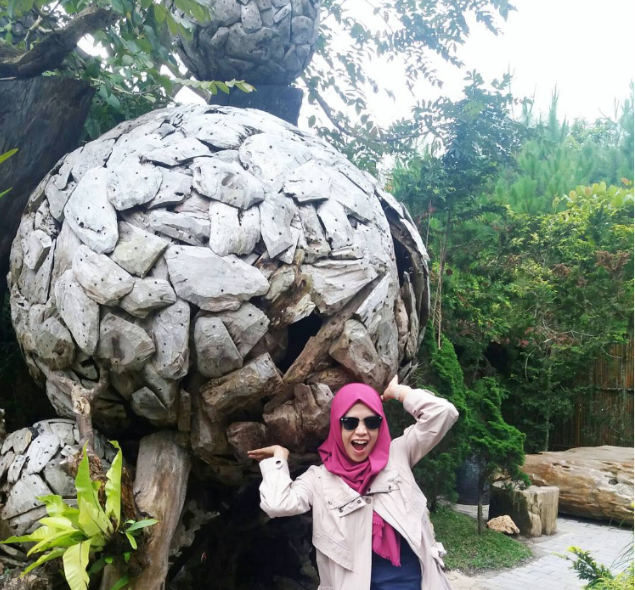
Banyak sekali area berfoto atau selfie dalam tur pasar terapung, seperti di pasar terapung, danau ditepi, tempat bermain anak dll. Dan ada satu area yang saya rekomendasikan untuk berfoto di kawasan Batu dimana batuannya disusun seindah mungkin. Nampaknya mirip dengan taman batu.
2. Area Bermain untuk anak-anak
Ada beberapa area bermain untuk anak-anak di pasar terapung lembang, seperti magnet Rod, kereta miniatur taman, kereta mini, kolam ikan, tempat binatang buas, leuit kampung dan lainnya, jadi bagi anda yang membawa buah hati pasti akan Sangat geli saat bepergian ke pasar terapung.
3. Jalan / lintasan ke daerah sekitar pasar terapung
Pasar terapung di bandung sudah memiliki fasilitas jalan / lintasan yang bagus, sehingga jika Anda berkeliling daerah sekitar pasar terapung atau bermain probe runcing, Anda akan merasa nyaman, namun karena terlalu terdakang jumlah pengunjung yang harus Anda dorong dengan hati-hati. .
4. Tempatkan di kawasan kuliner pasar terapung lembang
Pasar terapung memang merupakan makanan pokoknya, dengan harga makanan dalam harga pasar terapung namun jika ingin berbelanja atau membeli makanan di sana biasanya harus antri, dan alternatif selain mengambang di pasaran Anda juga bisa makan restoran di tempat makan. Aneka menu makanan dan minuman khas indonesia dan asia.
5. Sarana ibadah di pasar terapung lembang
Bagi anda yang beragama Islam, di pasar terapung juga menyediakan sarana ibadah (musholla), maka jika anda mempunyai tur dan datang doamu sholat sholat shalat dan sholat shalat. Bagi wudhunya sudah cukup bagus tapi terkadang masih harus mengantri.
6. WC / Toilet Umum di pasar terapung
Sarana toilet umum di pasar apung sudah cukup bagus, bersih dan terpelihara dengan baik, sudah ada beberapa toilet yang tersedia di pasar terapung (tidak hanya satu) apakah Anda tidak perlu bingung kapan ingin membuang air. .
Harga Tiket Masuk ke Pasar Terapung Lembang
- Harga tiket masuk: us $ 15000, - per orang
- Biaya parkir: USD 25.000, - untuk mobil
RP. 5000, -untuk motor
- Jam kerja: 09.00 - 17.00 WIB (Senin-Jumat)
09.00 - 20.00 WIB (Sabtu-Minggu).
Harga tiket kendaraan diputar di Floating Market
Harga tiket naik di pasar terapung bervariasi seperti tercantum pada tabel di bawah ini:
Nama permainan / Rides dengan harga tiket adalah sebagai berikut:
1 Outbound Rp. 25.000 / orang
2 lokomotif mini Rp. 20.000 / orang
3 Perikanan Magnetik Rp. 20.000 / orang
4 Kelinci Kebun Rp. 25.000 / orang
5 mobil mini dan becak Rp. 20.000


